Warning! Leaving yarn out for birds can be extremely dangerous!
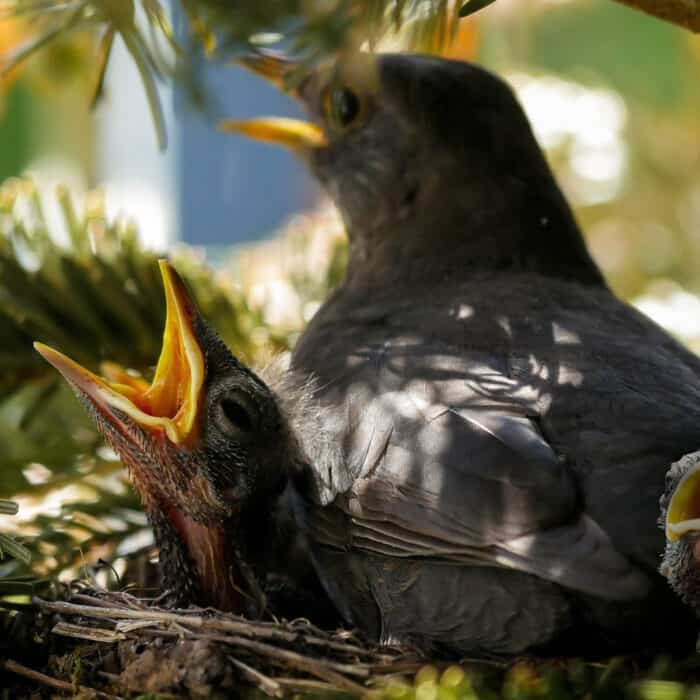
Many people, including yarn enthusiasts, leave out yarn scraps with good intentions, hoping to help birds build their nests. However, this practice can have devastating consequences for the birds.
Yarn and string can easily entangle birds of all ages, especially vulnerable chicks. These entanglements can cut off circulation, restrict movement, and even lead to death.
While the final decision is yours, I urge you to strongly reconsider leaving yarn out for birds. Instead, you can support them by providing safe alternatives like:
- Natural fibers: Cut up pieces of cotton, wool, or burlap into strips (3-6 inches long, 1 inch wide).
- Plant materials: Offer dried grasses, twigs, leaves, and moss.
- Feathers: Repurpose unused feathers from old pillows (clean and sanitized).
By choosing safe alternatives, you can ensure that your efforts truly benefit the birds without putting them at risk.
While it's true birds have a long history of independent nesting, leaving out human-made yarn for them presents a serious risk that wasn't previously present in their natural environment.
Modern yarn, whether acrylic or poly blends, differs significantly from natural materials. Their synthetic fibers, washed with harsh chemicals and dyed with potentially harmful pigments, can be toxic and irritating to delicate bird skin. Additionally, their smooth texture and long strands pose a significant entanglement hazard. Unlike natural materials like twigs or grasses, yarn can easily wrap around a bird's legs, wings, or beak, restricting movement, cutting off circulation, and even leading to suffocation or amputation.
It's not about controlling their natural instincts to gather. It's about understanding the unforeseen consequences our well-intentioned actions can have. While they might find the yarn visually appealing, it ultimately jeopardizes their well-being and survival.
We, as humans, share responsibility for the health of the environment and its inhabitants. Choosing safe alternatives, like natural fibers or commercially available nesting materials, allows us to support birds without introducing unnecessary dangers into their ecosystem.
The Dangers of Yarn
Leaving yarn out for birds may seem like a harmless act of assistance, but the reality is far more dangerous than you might imagine. Yarn in a nest is not just harmful, it's potentially deadly.
Imagine this:
- Wet yarn acts like a sponge, soaking and holding water. Unlike natural materials that dry quickly, yarn traps moisture, creating a **damp, chilling environment for the eggs and chicks. This hypothermia can stunt growth, weaken the chicks, and even lead to death.
- Picture a delicate baby bird entangled in the smooth fibers. Unlike twigs and grass that break easily, yarn's strength and construction entrap and constrict, cutting off circulation and causing immense stress and pain. The fragile creature has no chance of breaking free, suffering a slow and agonizing death.
- Imagine the mother bird diligently caring for her young, feathers damp with rain. As she returns to the nest, the wet yarn clings to her, transferring the moisture to the nest itself. This continuous cycle of dampness resembles wearing wet clothes, leaving the chicks chilled, vulnerable, and prone to illness.
- Just as humans cannot digest clothing, chicks cannot digest yarn. If ingested, the synthetic fibers become lodged in their tiny digestive systems, causing internal blockages and potential fatalities. Unlike natural materials that pass through their system, yarn becomes a deadly obstruction.
The choice to leave yarn is not about controlling nature, but about safeguarding it. While birds have a natural instinct to gather, we, as humans, have a responsibility to understand the unforeseen consequences of our actions. Protecting these vulnerable creatures from the silent threat of yarn is an essential part of ensuring their health and survival.
Please, choose safe alternatives like natural fibers or commercially available nesting materials. Let's work together to ensure that our actions support birdlife, not endanger it.
Ultimately, The Decision is Yours
Nova Scotia boasts a rich tapestry of wildlife, from the majestic eagles soaring above to the playful chipmunks scurrying along the forest floor. These creatures, including owls, falcons, songbirds, raccoons, squirrels, woodland mice, and even the ringneck pheasant, all play vital roles in maintaining the delicate balance of the ecosystem.
As humans, it's easy to become accustomed to the conveniences of synthetic materials. However, it's crucial to remember that not everything designed for our use is suitable for the natural world. Leaving yarn out for birds, with the best of intentions, can have unforeseen and devastating consequences for these creatures.
sheila says
I have many birds that prefer my home for some reason. Looking at their nest, I have seen fish line, string, long grasses, etc. Robins have a "dirt" cup that moulds the inside of their nest. We have lost at least half the hatches to wind, cats, and just not thriving. The yarn thieves are "my" squirrels will use odd things and think they like the fluffy.
Sue McVicker says
No Blue Button
Marina King says
button not needed for this one