The Crochet Crowd

  • PATTERNS
  • STITCH ALONGS
  • TUTORIALS & STITCHES
  • COMMUNITY & EVENTS
  • ABOUT
menu icon
go to homepage
  • PATTERNS
  • STITCH ALONGS
  • TUTORIALS & STITCHES
  • COMMUNITY & EVENTS
  • ABOUT
    • Facebook
    • Instagram
    • YouTube
  • search icon
    Homepage link
    • PATTERNS
    • STITCH ALONGS
    • TUTORIALS & STITCHES
    • COMMUNITY & EVENTS
    • ABOUT
    • Facebook
    • Instagram
    • YouTube
  • ×
    Home » Home Decor

    Does Cotton Matter in the Kitchen: The Experiment

    Sharing is caring!

    • Facebook
    • Email
    Cotton Yarn Experiment with Lily Sugar'n Cream
    Cotton Yarn Experiment with Lily Sugar'n Cream

    Coming up shortly is the new "Crochet for the Kitchen Series". If you have been following along with my crochet tutorials and ideas over the past 8 years, you will know I haven't got into cotton much. There are some reasons for that or should I say excuses.

    Many years ago, I made a dishcloth with just double crochet. I wasn't really happy with it. One dishwashing session, the dishcloth was stretched beyond recognition and I was so disappointed. In the attempt to try again, I used Acrylic Yarn for the second one and I might as well just tossed the ball into the trash without even crocheting it. Now, I'm not the smartest tool in the shed, so I wasn't understanding the properties of cotton yarn versus acrylic and things to look for.

    Fast forward to today, I use cotton more as I understand when and how to use it. Does it require me to have a degree in yarn-ology? Not really and by the way, as far as I know, there is no degree for such things but it's fun to think about a certificate in such things!

    Pattern Suggestions

    1. Crochet Scalloped Dishcloth + Tutorial
    2. Crochet Sunshine Scrubby + Tutorial
    3. Crochet Round Dishcloth Pattern
    4. Star Runner Pillows Applique Pattern
    5. Crochet Rising Tides Bag + Tutorial

    Cotton Properties

    1. Cotton doesn't stretch yarn wise. If you are going to do loose stitching, the project may stretch as a result of the stitching but it is not the yarn stretching itself.
    2. It is sturdy and durable.
    3. Once a project is stretched, it doesn't bounce back.
    4. It's eco friendly as it's a source of yarn that is actually grown.
    5. Cotton originally feels a bit rough but washing it will have it calm down and soften up.
    6. It takes to dyes beautifully with bold and bright colours as being an option.
    7. On a hot day or people who live in warmer climates, cotton projects will keep you cooler and not keep in the heat like animal blends or acrylics.
    Lily Sugar'n Cream Yarns
    Lily Sugar'n Cream Yarns

    Lily Sugar'n Cream Cotton Yarns

    Spinrite Yarns, you will know them at Yarnspirations is North America's Largest Manufacturer of Cotton Yarns. Proudly grown and spun in the USA. It then comes to Canada to the Spinrite Yarn Factory where the yarns are custom dyed and packaged.

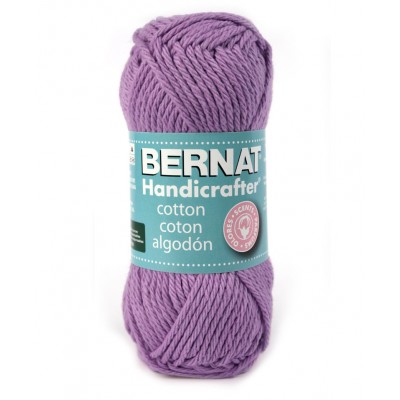
    For our American Friends, you will know this yarn as Lily Sugar'n Cream. For Canadians, like me, we will know this yarn as Bernat Handicrafter. Due to Trademark and location, the same yarn is called two different brands depending on what side of the border you are on. For Yarnspirations.com, you can buy either format no matter which side of the border you are on.

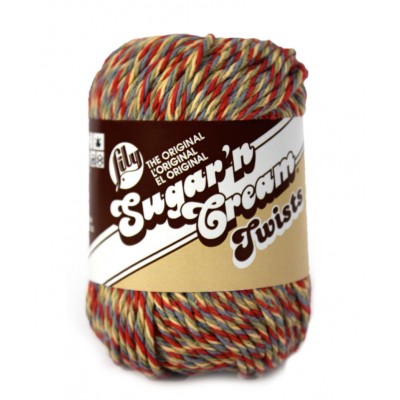
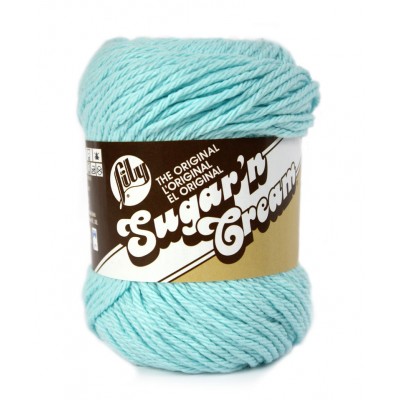
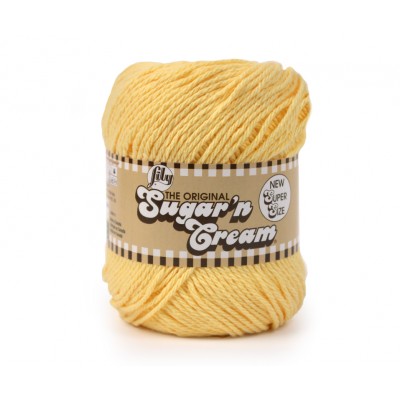
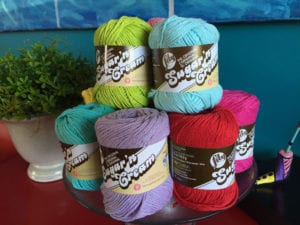
    Lily Sugar'n Cream is available in two different packages. One is the ball format that you see in the above picture. Available in tons of different shades depending on the packaging.

    • Lily Sugar'n Cream Smallest Size - 71 g solids, 57 g Ombres - 88 Colours
    • Lily Sugar'n Cream Bigger Size - 113 g solids, 85 g Ombres - 44 Colours
    • Lily Sugar'n Cream Twists - 56.7 g, 6 Colours
    • Lily Sugar'n Cream Stripes - 57 g, 8 Colours

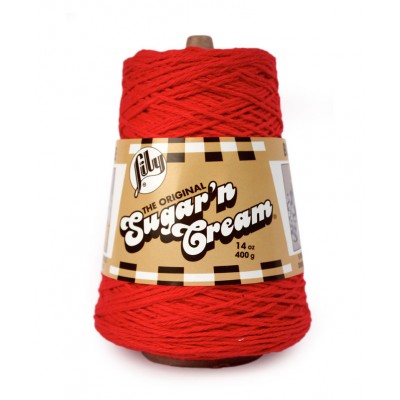
    The large format of Lily Sugar'n Cream is available in cone format.

    • Lily Sugar'n Cream Cones - 400 g, 17 Colours
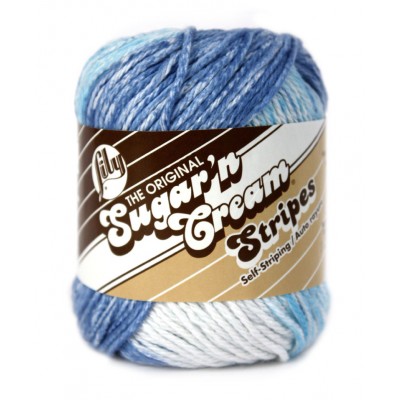
    Lily Sugar'n Cream Yarn
    Lily Sugar'n Cream Yarn
    Lily Sugar'n Cream Yarn
    Lily Sugar'n Cream Yarn
    Lily Sugar'n Cream Yarn
    Lily Sugar'n Cream Yarn
    Lily Sugar'n Cream Yarn
    Lily Sugar'n Cream Yarn
    Lily Sugar'n Cream Yarn
    Lily Sugar'n Cream Yarn
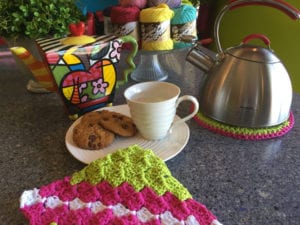
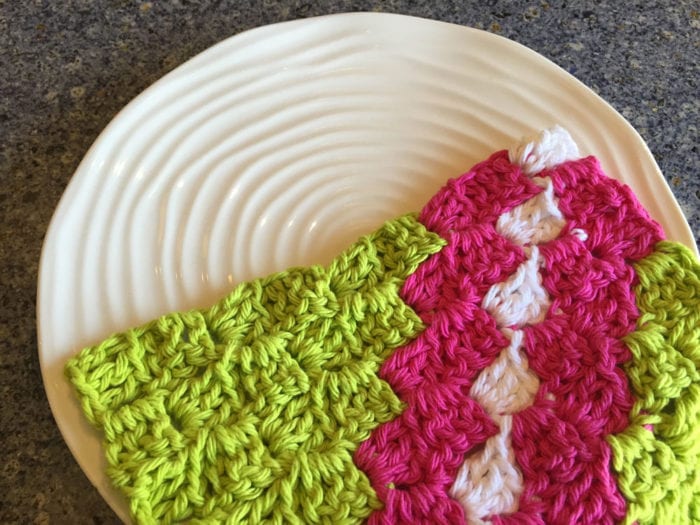
    The Corner to Corner Dishcloth and Hot Plate Protector are both made with Bernat Handicrafter.
    The Corner to Corner Dishcloth and Hot Plate Protector are both made with Bernat Handicrafter.

    Bernat Handicrafter Yarns

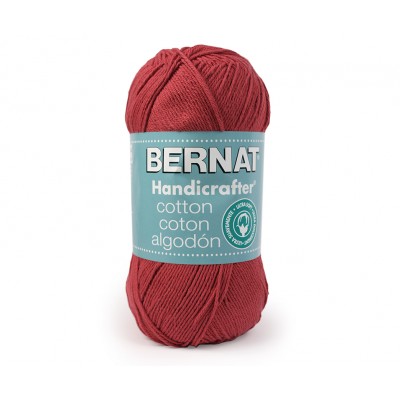
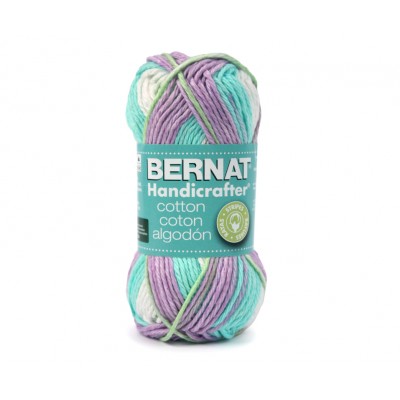
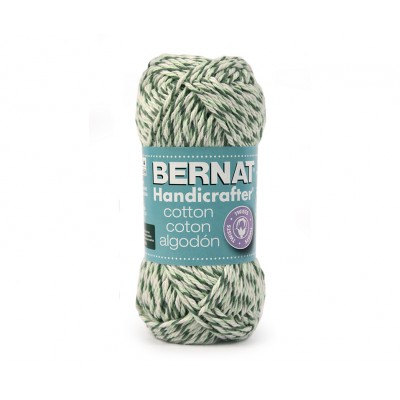
    In Canada and select locations in the USA and other parts around the world, Bernat Handicrafter is the cotton yarn made by Spinrite Yarns. Bernat Handicrafter comes in more formats than Lily Sugar'n Cream Cottom. Made in the same location, there are similar and different colour options for this yarn. One of the yarns comes pre-scented with the fragrance that is added to the yarn. Having been at the facility several times and during our plant tours, you can smell the aroma of the scented yarns in the air.

    There are several sizes and styles to the Bernat Handicrafter Yarn line:

    • Bernat Handicrafter Small Size - 50 g solids, 42.5 g Ombres, 62 Colours
    • Bernat Handicrafter Scents - 43 g, 6 Colours
    • Bernat Handicrafter Stripes - 43 g, 7 Colours
    • Bernat Handicrafter Holidays Medium Size - 113 g, 6 Colours
    • Bernat Handicrafter Large Format, 3 Styles - 400 g solids, 340 g Ombres, 340 g twists, 62 Colours
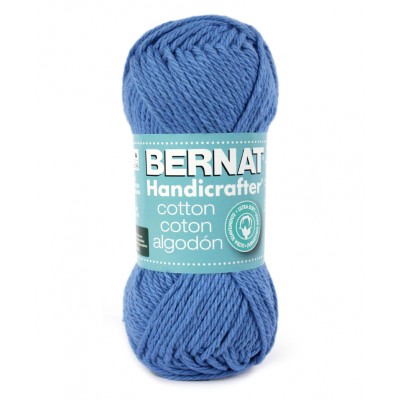
    Bernat Handicrafter Cotton Yarn
    Bernat Handicrafter Cotton Yarn
    Bernat Handicrafter Cotton Yarn
    Bernat Handicrafter Cotton Yarn
    Bernat Handicrafter Cotton Yarn
    Bernat Handicrafter Cotton Yarn
    Bernat Handicrafter Cotton Yarn
    Bernat Handicrafter Cotton Yarn
    Bernat Handicrafter Cotton Yarn
    Bernat Handicrafter Cotton Yarn

    The Experiment

    Cotton Yarn Experiment with Lily Sugar'n Cream
    Cotton Yarn Experiment with Lily Sugar'n Cream

    Being that I didn't understand cotton and the properties of cotton many years ago. I didn't get that not all yarn can be used in the kitchen. Cotton has properties, being natural, that other yarns cannot offer.

    Known Facts - Non-Cotton Yarns

    • Using animal blends such as wool or alpaca would be a waste as it's higher-priced and will not last in the kitchen unless it's for decor only things.
    • Using acrylic or petroleum-based yarns such as nylon, polyester and others. Placing a hot casserole dish onto the surface, if it's made with these materials, will cause the yarn to melt and potentially burn.
    • Using acrylics or petroleum yarns for things such as oven mitts, hot plate servers or other things involving protecting your hands from absorbing the heat of a dish in the kitchen has serious potential for personal injuries which could include the yarn melting onto your skin causing significant burns.
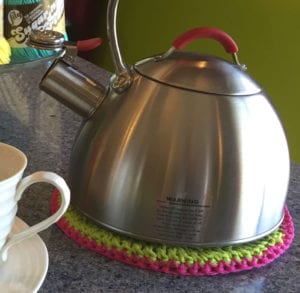
    Cotton under Kettle with Boiling Water
    Cotton under Kettle with Boiling Water

    Known Facts - Protection

    • Cotton can withstand high temperatures. Due to the temperatures, it can take, cotton can be sterilized. Being that it can resist heat, it is a great barrier between a hot surface and surface such as a table or counter where a hot item may burn the surface.
    • It can be used for oven mitts and potholders. Be aware of the stitch as gaps between the stitches may allow your skin to push through the stitches to touch the hot surface.
    • Cotton is long-lasting as it's a natural fibre
    • Cotton is hypoallergenic.
    • Cotton is less sensitive to sunlight and will resist colour fading.
    • Cotton works for keeping you cool in the summer and warm in the winter. It naturally absorbs moisture which adjusts based on your situation. Moisture is what can cause overheating and feeling cold in the winter.
    • Yarn is so strong that it is nearly impossible to break the yarn by pulling on it without assistance such as scissors or a sharp edge to break the yarn strand.

    Dish Washing with Cotton Yarns

    One element that I wasn't careful with many years ago was that my stitch choice and hook didn't match the recommendation of the yarn. For dishwashing, you want tight stitches. Though the cotton yarn will not stretch, the stitches itself can stretch. Loose stitches will stretch the project. The tighter is better. Years ago, my second dishcloth was made of acrylic. You will see in my experiment why it's the wrong choice, but if you are new to using yarn, you may make the same mistakes I did.

    Below is my experiment of testing Cotton versus Acrylic in water and scrubbing.
    Lily Sugar'n Cream Cotton Yarn Experiment
    Lily Sugar'n Cream Cotton Yarn Experiment
    • The test includes wetting both cotton and acrylic yarn.
    • Scrubbing a cutting board.
    Lily Sugar'n Cream Cotton Yarn Experiment
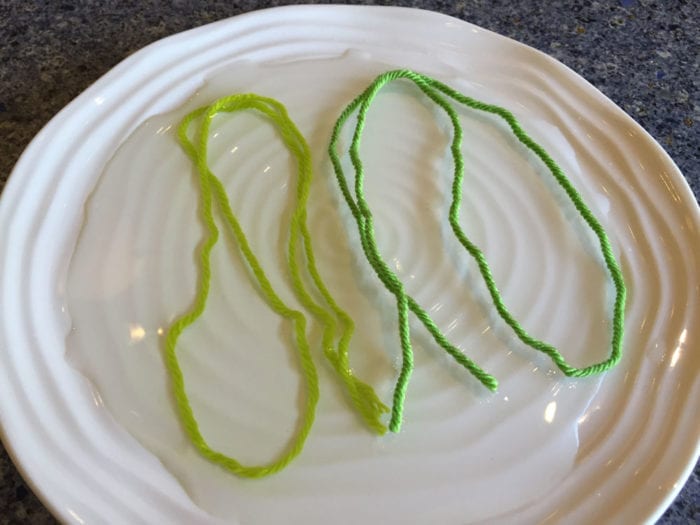
    Lily Sugar'n Cream Cotton Yarn Experiment. Cotton on the left, acrylic on the right.
    • Cotton yarn instantly absorbed the water and sank to the bottom.
    • Acrylic yarn stayed afloat and had to be forced under the water to absorb the water.

    This confirmed that cotton does in fact absorb moisture. Therefore making it cooler in the summer to wear and warmer in the winter as moisture is the cause of feeling hot or cold.
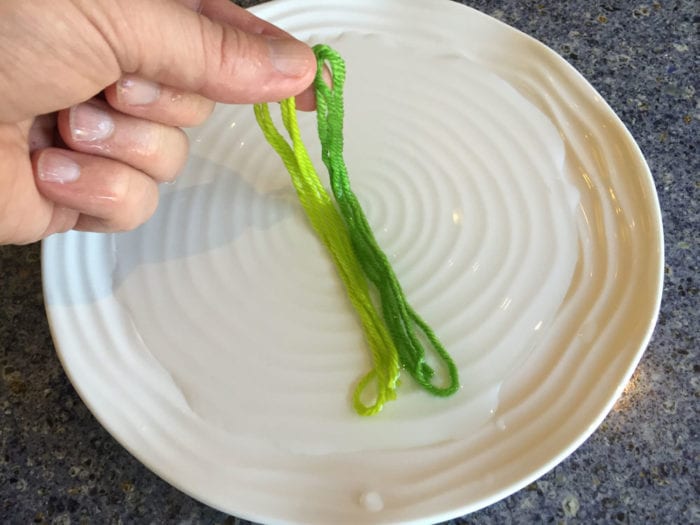
    Lily Sugar'n Cream Cotton Yarn Experiment
    Lily Sugar'n Cream Cotton Yarn Experiment
    • After forcing the acrylic into the water and massaging the yarn strand, it finally absorbed the water.
    • Upon pulling out, the acrylic feels thinner to the touch but the cotton remains unchanged.

    This confirms that cotton isn't stretching or changing when water is hitting it.
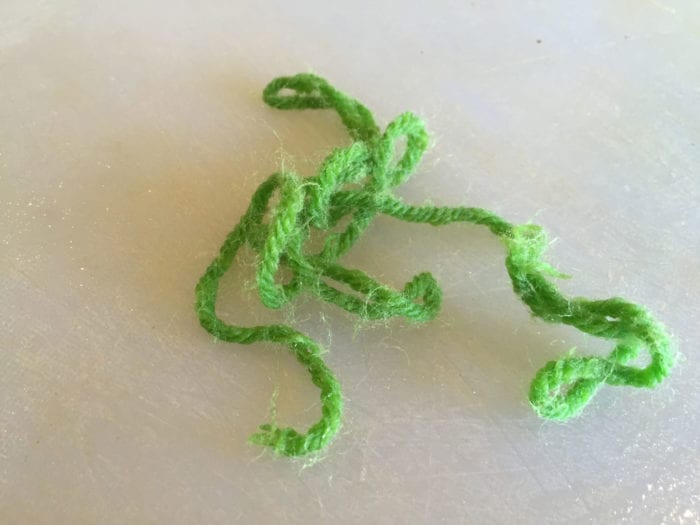
    Lily Sugar'n Cream Cotton Yarn Experiment
    Lily Sugar'n Cream Cotton Yarn Experiment
    • 1 minute of rubbing acrylic yarn onto the cutting board.
    • Fibres are beginning to separate from the strand.
    • Fibres feel thinner.
    • Fibres are grabbing onto each other like Velcro.
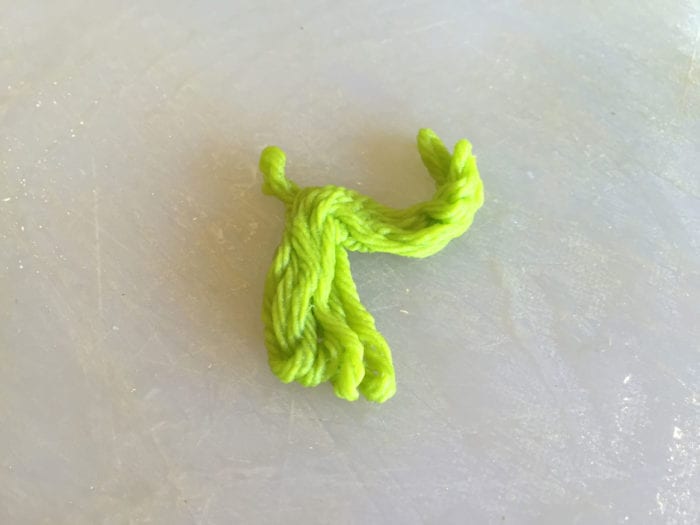
    Lily Sugar'n Cream Cotton Yarn Experiment
    Lily Sugar'n Cream Cotton Yarn Experiment
    • Scrubbing the cutting board for 1 minute, like the acrylic example. The cotton yarn appears to be unchanged.
    • The plies have held together.
    • The yarn strand is rolling with others and the fibres are not pulling away from the strand.
    • Thickness and stretch remain unchanged.
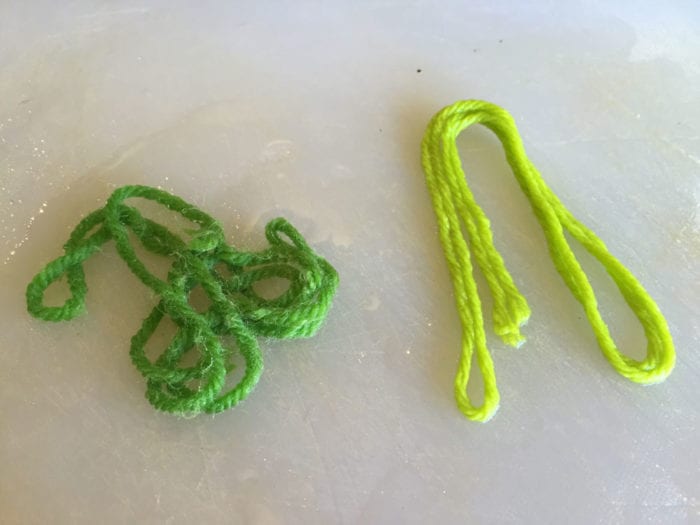
    Lily Sugar'n Cream Cotton Yarn Experiment
    Lily Sugar'n Cream Cotton Yarn Experiment

    At the end of the experiment, the cotton yarn on the right comes apart back to its original format without any exhaustion or difficulties. The acrylic on the left has fibres that have pulled apart and are grabbing onto other fibres making it more difficult to pull the example apart. It can be done, but it's not with ease like cotton.

    If you were to use cotton to dry the dishes or tea towels, the cotton will pull the water from the surfaces while the acrylic will try to fight it. After rubbing surfaces dry, the acrylic example will look pilled and damaged. It will never look the same as when it was finished coming off your hook.

    The cotton yarn can withstand the demands of a kitchen and has properties that we need to have in the kitchen. While acrylic yarns are fabulous in other parts of lives, the kitchen is NOT the place for the acrylic.

    Crochet Kitchen Pattern Ideas

    [the_grid name="Kitchen"]

    Like this:

    Like Loading…

    Related

    More Crochet Home Decor Patterns

    • How To Crochet Braided Pumpkin + Tutorial
    • Free Full Spectrum Crochet Pumpkin Pattern with Crochet Braid Stitch + Tutorial
    • Campy Soccer Featured Free Pattern Roundup
    • 46 Crochet Patterns Celebrating America

    Filed Under: Bernat Handicrafter Yarn Patterns, Bernat Yarn Patterns, Crochet Baby Hat Patterns, Crochet Cleaning Patterns, Crochet Dishcloth Patterns, Crochet Kitchen & Bathroom Patterns, Home Decor, Knit Dishcloth Patterns, Lily Sugar'n Cream Patterns

    Comments

      Have you completed this project. Show me! Cancel reply

      Your email address will not be published. Required fields are marked *

      The maximum upload file size: 360 MB. You can upload: image, document. Links to YouTube, Facebook, Twitter and other services inserted in the comment text will be automatically embedded. Drop file here

    1. Annie Neves says

      January 14, 2024 at 1:57 pm

      Very useful and informative. Thank you for taking the time to do this. I really appreciate the tip about stitch size. Confirms what I realized after making a washcloth and going up a couple of hook sizes. Cheers, Mikey!

      Reply
    2. Kim Black says

      April 28, 2016 at 8:09 pm

      I love my cotton yarn (Lily Sugar 'n Cream) for my potholders. I use a "single crochet thermal stitch" so it is basically doubly thick. That way, it is as thick as any potholder, and being cotton, doesn't conduct heat. I don't have to worry about burning my fingers as there are no open spaces when I use this stitch. I've made about a dozen in multiple colors and use them ALL the time! What I learned is you want a heavier weight yarn (at least worsted weight) and a smaller hook, so your stitches will be tighter and have even less space, but will give you the firmness needed for a potholder. They keep getting used for hot things (and disappearing!), so I just keep making more of them!

      Reply
    3. Sybil McDonald says

      April 22, 2016 at 1:12 pm

      How can I* get a hard copy of the American Flag from Ravelry. I have signed on to Ravelry, but can not get a hard copy of the patriotic flag. Thank Sybwood73@aol.

      Reply
      • Mikey, The Crochet Crowd says

        April 23, 2016 at 9:02 am

        You will have to contact the designer through Ravelry if you want it. I don't have anything to do with Ravelry or a connection to make that happen. 🙂 There is a way to contact the individuals through Ravelry.

        Reply
    4. Barbara Battaglia says

      April 16, 2016 at 7:48 am

      Bang on??

      Reply
    5. Stacey Stroh says

      April 16, 2016 at 5:09 am

      Bang on! Excellent article! Thanks. I'm just starting to experiment with cottons after years of using acrylics (allergic to animal hair) and this was a timely article for me. Looking forward to making some washcloths etc.

      Reply
    6. Paula Woody says

      April 16, 2016 at 1:11 am

      Love the article. Really puts it into perspective and answers why I never liked the hot pads my friend use to crochet for me. Guess I will have to share your info and guide her to the right product. Thank you for all you do.

      Reply
    7. Dina says

      April 15, 2016 at 10:25 pm

      I use a lot of cotton as I usually do lots of small projects. I especially like making double thick potholders. Much better than anything I can buy. I also prefer crocheted washcloths although I find the normal "kitchen/craft" cotton too rough for skin. I usually buy a much softer premium cotton for those. Love your blog btw.

      Reply
    8. Ann Marie Pirrera says

      April 15, 2016 at 10:06 pm

      Bang on, Mickey. Before I joined CC I used to knit. I have knit over 100 dishcloths and pot holders. I love a small project and now I crochet them. Very smart of you to mention about acrylic as most people don't know the properties of cotton versus acrylic. Thanks for the info.

      Reply
    9. Bonnie says

      April 15, 2016 at 6:21 pm

      Great article! When I make dish clothes and pot holders I do Tunisian simple stitch. Everyone lives them and they don't shrink.

      Reply
    10. Karen says

      April 15, 2016 at 2:32 pm

      Great tips, Mikey! The last line of your article reads "While acrylic yarns are fabulous in other parts of lives, the kitchen is the place for the acrylic." Shouldn't it read "While acrylic yarns are fabulous in other parts of lives, the kitchen ISN'T the place for the acrylic.

      Reply
    11. Ali says

      April 15, 2016 at 2:29 pm

      Does any company make microfibre yarn then we could hand crochet microfibre cloths as they are very absorbent.??

      Reply
    12. Sue McEndree says

      April 15, 2016 at 2:25 pm

      Great article, especially for new crocheters. I have just got my granddaughter interested in crochet, & she would benefit from this article. Thanks Mikey! You're the best
      and so are the others at The Crochet Crowd!!

      Reply
    13. Linda Rogers says

      April 15, 2016 at 2:14 pm

      Great article. One thing I would like to add is: If you wish to keep your cotton article absorbent, DO NOT use fabric softener when washing it. Fabric softeners will coat the fabric and make it water repellent. Years ago I had a washable raincoat with instructions to use fabric softener in the rinse water to help the coat retain it's water resistance.

      Reply
    14. Pauline says

      April 15, 2016 at 2:02 pm

      'While acrylic yarns are fabulous in other parts of lives, the kitchen is the place for the acrylic.' ....think there is a mistake in the final sentence.

      Reply
    15. Gail White says

      April 15, 2016 at 1:49 pm

      Love your cotton update.......but shouldn't the last line read " the kitchen is NOT the place for acrylic." ?

      Reply
    16. RuthAnn says

      April 15, 2016 at 1:34 pm

      I've used Premier Home Cotton and it is just as good as other brands. And it's a little less expensive for people on a fixed income (as I am). Right now it's on sale in AC Moore for 10 skeins for $10.00. Thanks Happy Hooking!

      Reply
    17. Penny says

      April 15, 2016 at 1:25 pm

      Thanks. I needed that!

      Reply
    18. Cheryllynn Dyess says

      April 15, 2016 at 1:13 pm

      This is a fabulous article. Thank you for going through the steps of cotton vs. acrylic. I have made cotton dishcloths and personally love them. They withstand so much more than the store bought kind and you can have the exact look you want!

      Reply
    19. Cory Sigars says

      April 15, 2016 at 1:00 pm

      This was a great article of information, i fi d very helpful in understanding that only certain cotton yarn styles are best in kitchen and bathrooms

      Reply
    Michael Sellick May 2026

    Welcome!

    I'm Mikey. Join me in learning crochet as I am always learning, too!

    More about me
    Mikey Stitch Studio Browse Patterns
    The Crochet Crowd Design

    AI Design

    Learn about our designs. Why don't we use AI to design?

    Designing
    • Crochet Love Letter to USA Blanket Pattern + Tutorial
    • Mikey, Daniel & Jonathan - Hawaii Knit and Crochet Cruise Collab
    • When Yarn Became a Journey: Caron Cakes 10th Anniversary
    • Crochet Cruise Transatlantic 2028
    • Unexpected Left Overs Bernat Blanket Pattern with Tutorial Help
    • Easy Crochet Bramble & Stone Asymmetrical Shawl + Tutorial
    • The Crochet Crowd Patterns
    • Crochet Twisted Headband Pattern + Tutorial
    • Crochet Rose Garland Pattern
    • Crochet Large Christmas Tree Skirt Pattern + Tutorial
    • Stitch Along: Crochet Diamond Dancer Blanket + Tutorials
    • Crochet Men's Sweater Stitch Along with Mikey + Tutorials for Everything
    • Crochet C2C Bobble Pillow Pattern + Tutorial
    • How To Crochet Mermaid Tears Purse Pattern + Tutorial
    See more Crochet Stitch Along Patterns →

    Footer

    Stitch Alongs With Mikey

    • Crochet Christmas Ornament Blanket Pattern + Tutorial
    • Stitch Along: Crochet Hat, Scarf & Dog Coat + Tutorials
    • Crochet Study of Variegated Blanket Pattern + Tutorial
    • Free Lily Sugar'n Cream Crochet Garden Tote Bag Pattern + Tutorial
    • Crochet Beach Bag Pattern + Tutorial
    See more Crochet Stitch Along Patterns →
    ↑ back to top

    Explore

    • About
    • Before 2023
    • 2023 Patterns
    • 2024 Patterns
    • 2025 Patterns
    • 2026 Patterns

    More

    • FAQ
    • Contact
    • Privacy Policy

    The website has been active since 2010. Articles and patterns are reviewed from time to time. Some patterns get updated with newly written instructions, photography and keeping the patterns current.

    Copyright © 2026 The Crochet Crowd • Some links may contain affiliate connections.

    %d